 Click here to advertise with us
 Search

Dr Jen Martin (University of Melbourne) and Professor Euan Ritchie (Deakin University)
How to be an effective science communicator is something we both grapple with, in large part because despite all the evidence for what needs to be done and the grave consequences of not doing so, we’re currently failing to avert environmental collapse and an extinction crisis.
Beyond how personally distressing and confronting this is, it’s also sobering in a professional sense. Despite many notable and important wins, overall, we as ecologists and conservation biologists are not having the impact on policy and society to the degree or at the pace we need to. As a result of constantly reflecting on the state of the world, our strategies for science communication have evolved and continue to do so.
To follow are some thoughts from each of us about how we communicate science and what we’ve learned and are continuing to learn along the way.

Jen
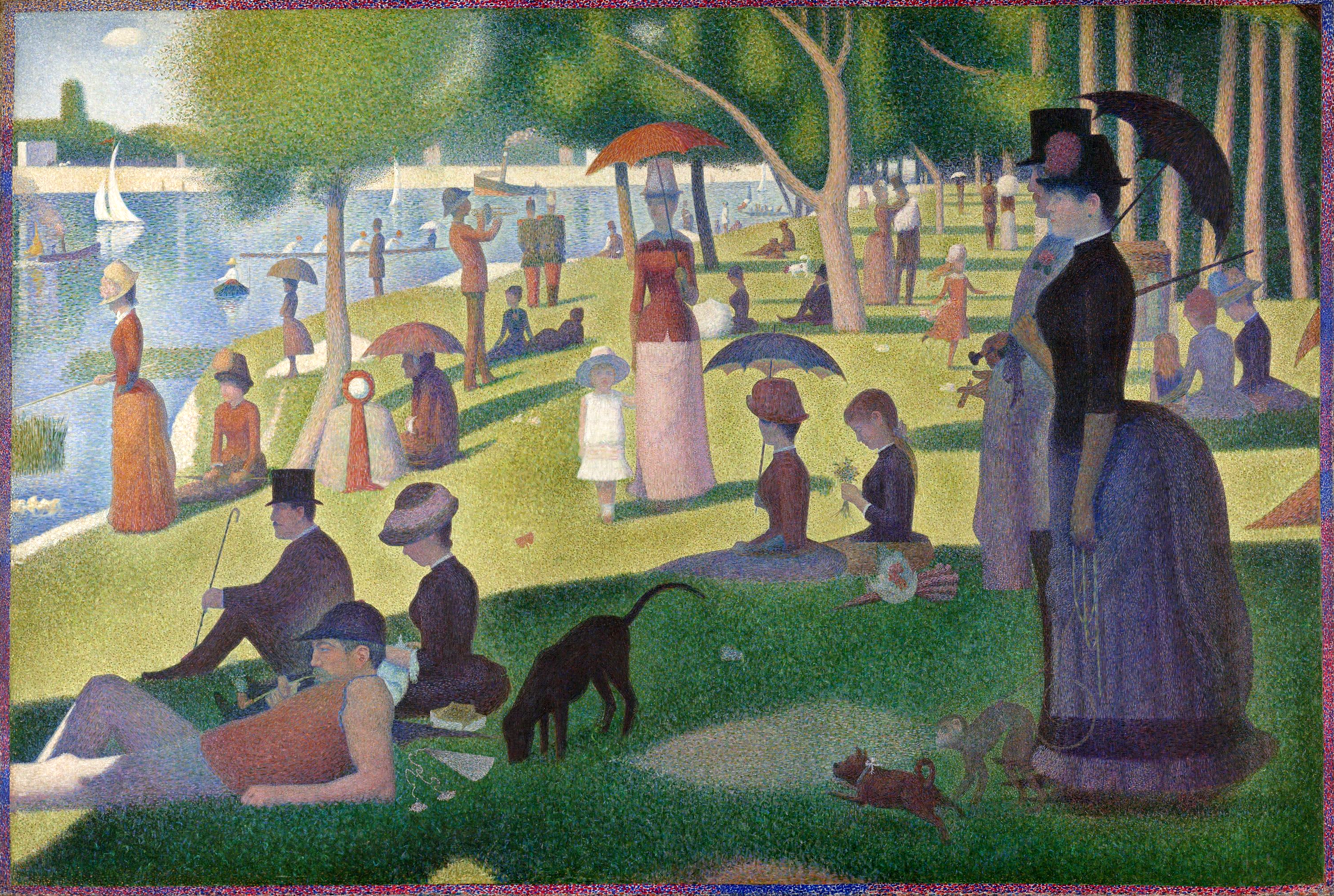
Look at A Sunday Afternoon on the Island of La Grande Jatte by George Seurat. From a distance, it’s simply a peaceful and relaxing scene – families enjoying a glorious sunny day on the banks of the River Seine in Paris. But it’s one of those paintings that on closer inspection turns out to be composed of thousands of tiny dots and other miniature brushstrokes. To me, the picnic scene represents the world I want us all to live in: one in which science is valued, well-funded and understood to be the foundation of a satisfying but also sustainable future. A world in which governments and citizens alike make evidence-based decisions that benefit all and in which everyone understands that we must, above all else, look after the health of our planet, a boundless source of inspiration and the only life-support system for humanity and the many other wonders of evolution we live alongside.
Many dots – each unique – contribute to creating that idealistic Sunday afternoon scene. Likewise, we are going to need a lot of unique ‘dots’ to get to the world I long for and I believe each of us has the privilege of being one of those dots. We all get to choose what shape and colour of dot we are going to offer. But as ecologists, we all must contribute and effective science communication is, without doubt, going to be an essential component of the work ahead of us. So regardless of the specific nature of our chosen contributions, we need be strategic and thoughtful in how we communicate about science.
Over the past 15 years, I’ve learned a lot about how we can craft messages that are more likely to engage and influence people. In the early days, I thought very little about the goal of my communication activities, or about the specific audiences I wanted to reach. I now understand that every message I share must be tailored thoughtfully and carefully according to those two aspects. And I understand that the platform I use to share a particular message (for example, writing an article, speaking with kids, talking on the radio or using social media), also has to be chosen in light of my goal and audience.
Furthermore, I understand the power of narrative: as much as we wish they did, we know facts simply don’t convince people. I’m learning how to tell stories that help people to understand the specific problems we are trying to solve and why they matter. Getting straight to this problem-solution dynamic is far more interesting to most audiences than the lengthy and detailed context we become accustomed to providing when communicating with other scientists. We need to aim to captivate our audiences so – just as they would in a riveting movie or book – they can’t help but ask ‘what happens next?’ and wonder what they can do to make a difference.
Euan
There are two main things I see as vital for the ‘dot’ I’ve chosen. The first is forging relationships with a community on social media platforms (Twitter, Facebook and LinkedIn), where I regularly post information about conservation and ecological-related issues, as a way of sparking discussions and ideally gaining a better understanding of different viewpoints. This takes time but I’ve learnt a lot from it. For example, how dingoes are perceived and managed within the grazing community, and what opportunities there might be for changes in how we approach dingo management. By establishing and fostering these relationships, I’m able to share scientific information more easily and hopefully, make more apparent the relevance of the science for people’s lives and livelihoods.
The second is in the framing of topics and issues. In the past, I think my approach was too simplistic: I would provide numbers and figures and let them primarily do the talking. But now I’ve shifted to trying to create narratives about how scientific information might be used to guide new approaches and gain benefits. As an example: rather than just stating the extent of the environmental and extinction crisis and arguing we shouldn’t let it continue, I’ve been discussing how environmental protection and restoration could be used to benefit people and communities to recover post-COVID and the 2019-20 bushfires, through employment in environmental roles and associated industries (for example tourism).
Image attribution: Georges Seurat, Public domain, via Wikimedia Commons
The issues are similar in many areas of conservation and related. Joining the dots is a big part of the challenge. I’ve written a paper highlighting the value of Responsible design and global Ecological best practice. Let me know if you would be so kind as to review it for feedback.
Euan, how do you feel about the echo chamber effect on social media? When I analyze my Twitter followers, they are mostly other scientists and conservationists. How do we break out of our domains and truly speak to “the public” (whatever that is)?